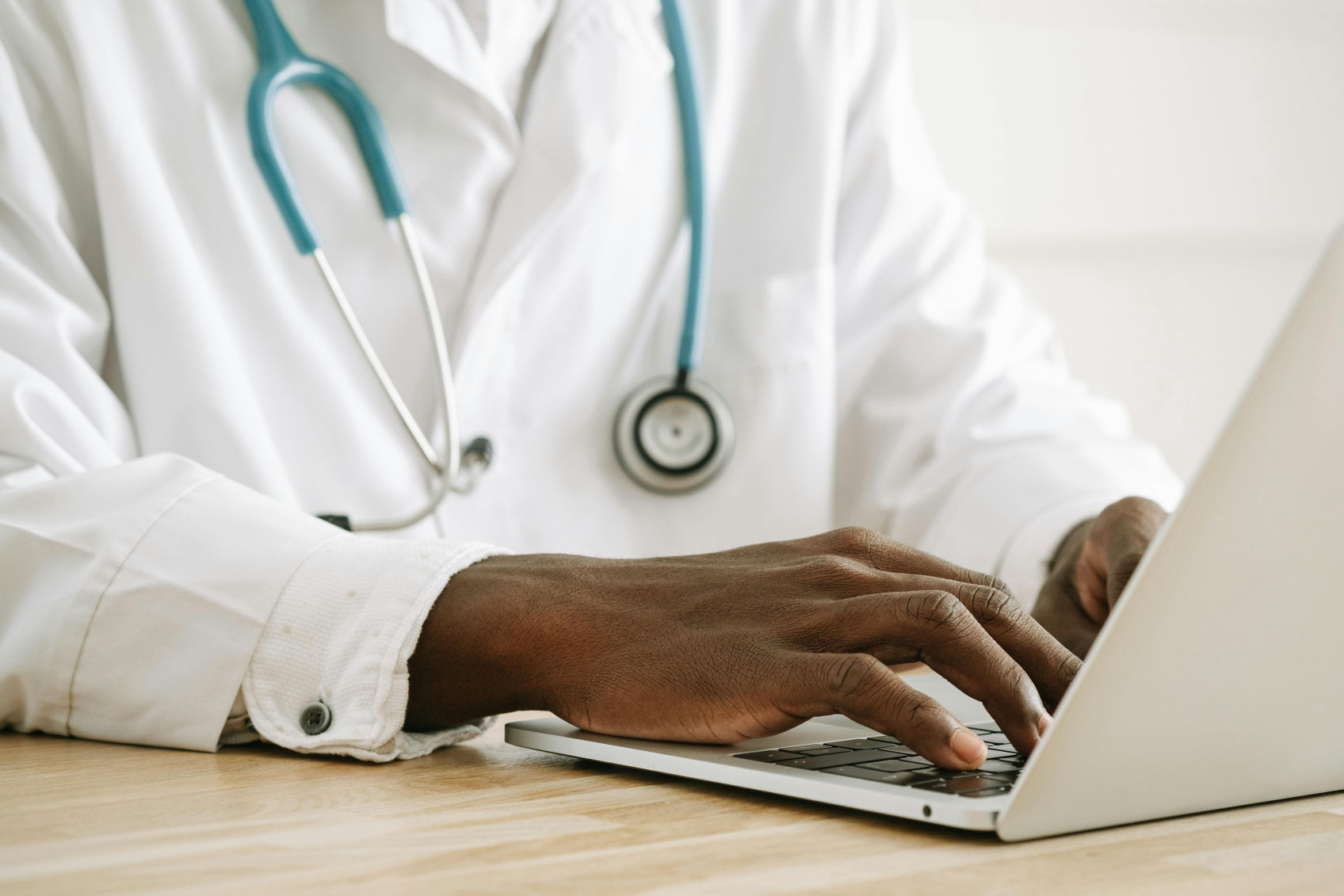
Telemedicine is the set of digital solutions that enable remote healthcare delivery, overcoming physical barriers and reducing time and costs.Thanks to secure platforms and innovative technologies, it is possible to carry out consultations, monitoring and reports anywhere and anytime.
Telediagnostics represents the specific application of telemedicine to the remote reporting of diagnostic tests (X-rays, CT scans, MRIs, ultrasounds, ECGs, etc.).Specialist doctors can interpret digitally transmitted clinical images and data, ensuring quick and safe responses.
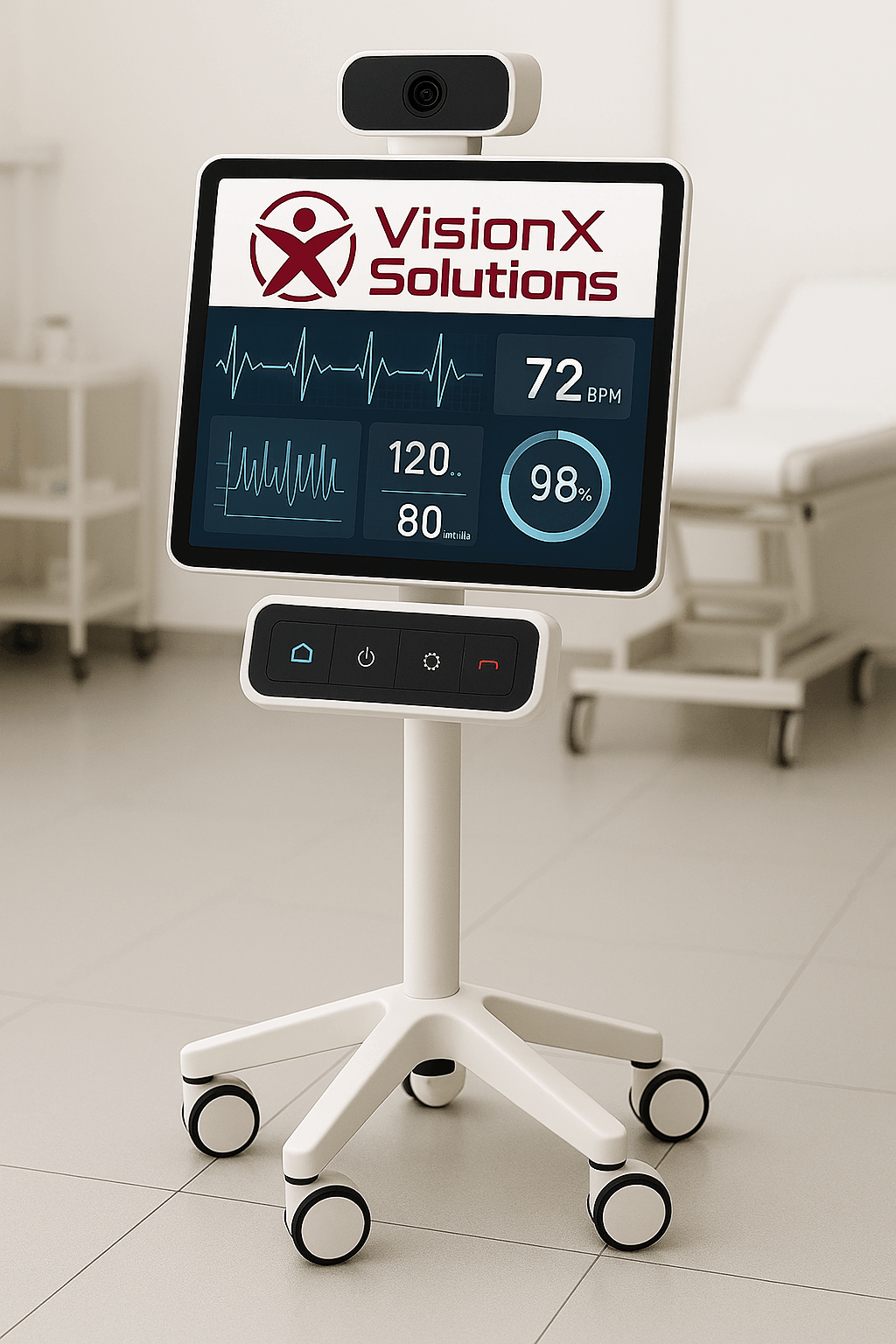
Telemedicine solutions help streamline patient flows, significantly reducing waiting lists and enabling healthcare professionals to manage a higher number of patients in less time. This leads to a smoother operational workflow and improved service quality.
Specialists can review and deliver medical reports remotely, ensuring that expertise is available when needed without requiring physical presence. This optimizes internal workloads, enhances flexibility, and enables healthcare structures to allocate resources more efficiently.
Healthcare facilities can broaden their diagnostic and consultation services by reaching peripheral locations or decentralized outpatient centers. This makes it possible to deliver specialist care even in areas where it would otherwise be unavailable, strengthening the facility’s overall service network.
By leveraging existing equipment in a more optimized and continuous way, telemedicine helps maximize the value of current technologies. This translates into higher productivity, fewer operational bottlenecks, and a more sustainable healthcare delivery model.
Patients can receive medical support more quickly, without the need for travel or long queue times. This accelerates diagnosis and treatment, improving health outcomes and overall satisfaction.
Telemedicine ensures consistent medical follow-up for chronic patients, elderly individuals, or people with mobility limitations. This continuity supports better long-term management of their conditions and promotes preventive care.
Medical consultations and diagnostic services can be accessed directly from home or from nearby community facilities. This reduces stress, minimizes logistical challenges, and promotes a more user‑friendly healthcare experience.
By extending high‑quality medical services to remote or underserved regions, telemedicine plays a key role in closing the gap between urban and rural care. Patients gain access to the same standards of professionalism and technology, regardless of their geographical location.
Offline Website Builder